

Why Emotional Intelligence is Crucial for Leaders Today
In the modern workplace, where change is constant and teams are increasingly diverse, a leader’s technical skills alone are not enough. Emotional Intelligence (EQ) – the ability to recognise, understand, and manage our own emotions, as well as empathise with others – has emerged as a critical factor for impactful leadership. Leaders with high EQ create environments where trust flourishes, team dynamics improve, and overall performance soars. (can you hear the crowd!) 🤩
And this is not just another buzzword, passing trend, or something the lucky few are born with—they’re behaviours you can learn and improve.
Here’s how EQ shapes leadership effectiveness and how you can actively develop it to transform your team’s dynamics.
1. The core of emotional intelligence in leadership
What is EQ, and how does it affect leadership?
At its core, EQ equips leaders with self-awareness, empathy, and resilience. These skills allow leaders to recognise emotional cues within themselves and others, respond thoughtfully to conflicts, adapt their communication style, and motivate their team. Leaders with high EQ can:
- Manage stress and remain composed during challenges
- Build and sustain trust within their teams
- Encourage open communication, making team members feel valued and understood
When leaders focus on EQ, they’re better equipped to foster team cohesion, reduce misunderstandings, and drive stronger overall performance. It is research backed!
2. Building empathy to strengthen team connections
Why empathy matters
Empathy enables leaders to understand situations from others’ perspectives, creating stronger bonds and a more inclusive work environment. Empathetic leaders naturally earn respect and trust, leading to a team that feels safe and supported.
⚡️ Activity: Empathy mapping
- Choose a team member: Select a colleague/team member you might not fully understand or who has different views.
- Consider their experience: Imagine their daily personal & work experience, motivations, and challenges.
- Map it out: Write down what you believe they feel, see, and think in their role.
- Reflection: Afterward, consider how this shifts your perspective.
How could you change your approach to improve your communication and collaboration with them?

3. Communication is key: how great leaders foster open dialogue
Open, transparent communication is essential for strong team dynamics. Leaders with high EQ don’t just speak—they listen, encourage feedback, and create a safe environment for all voices to be heard.
⚡️ Activity: active listening role play
- Find a partner: Pair with a colleague and take turns discussing a recent project.
- Practice: Listen actively without interrupting (or thinking ahead for a solution), then summarise what the other person said.
- Reflect: How did it feel to be genuinely heard? How did this approach clarify potential misunderstandings? What did you notice? What would you do differently going forward?
This exercise cultivates active listening, a crucial skill for minimising miscommunication and fostering a supportive team culture.
4. How EQ drives team performance
Leveraging EQ to boost team morale and productivity
When leaders model emotionally intelligent behavior, it trickles down to the team. Teams led by high-EQ leaders are more collaborative, innovative, and resilient. They’re also less likely to experience high turnover, as EQ-driven leadership promotes job satisfaction and loyalty.
For example, in environments where leaders prioritize empathy and transparent communication, team members are more likely to support each other, resolve conflicts constructively, and remain engaged.
⚡️ Activity: Identifying EQ in action:
Think about a time you experienced effective communication in the workplace, either as a leader or team member. What were the emotions involved? How did they influence the outcome? Reflecting on these situations can shed light on your EQ strengths and areas for growth.
5. Developing your EQ as a leader
Emotional Growth Takes Practice and Persistence
Building EQ is a gradual journey of self-reflection and practice. Here are actionable ways to develop EQ:
- Self-reflection: Regularly assess your emotional responses and how they affect your interactions. Ask yourself, ‘why do I feel this way about X?’ … then ask why 4 more times to get to the root of it.
- Seek feedback: Ask for feedback from your team to understand your strengths and where you can improve.
- Practice empathy: Approach conflicts by seeing them through the lens of others’ experiences.
- Regulate stress: Cultivate habits to maintain calm under pressure, setting an example for your team.
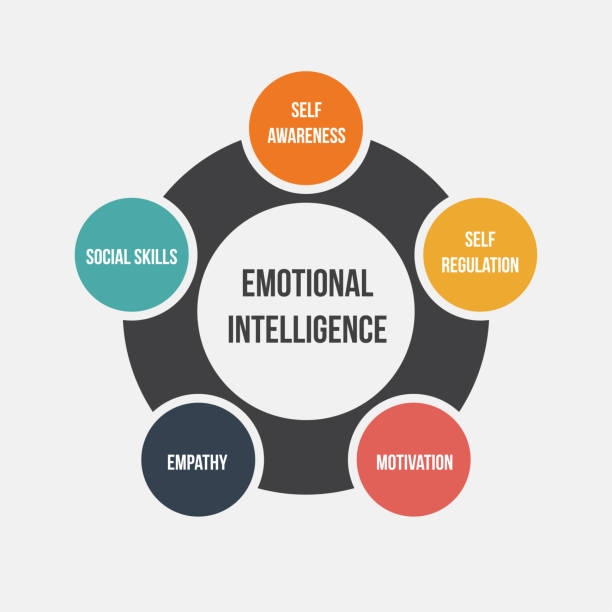
By nurturing EQ, leaders can create a positive, collaborative environment where everyone feels empowered to contribute. Investing in EQ is not just a step toward becoming a more effective leader but a commitment to creating a workplace where everyone can thrive.
What’s one communication barrier you’ve faced in the workplace?
Whether it’s a challenging colleague, a tough conversation, or a recurring miscommunication, there’s always a way to overcome it with the right approach.
Share it in the comments, and let’s brainstorm solutions together.
Discover more from ElevatePx
Subscribe to get the latest posts sent to your email.