

Tailoring Your Approach for Diverse Teams
Have you ever given feedback to someone, and their reaction left you scratching your head? Maybe your “constructive criticism” 1 to a Gen Z intern felt like an ambush, or your effort to “soften the blow” for a Boomer manager came across as patronising…
If so, you’re not alone. Feedback is tricky enough—but when you factor in generational differences, it can feel like solving a Rubik’s Cube while blindfolded.
Here’s the thing: feedback preferences aren’t one-size-fits-all, especially in today’s multigenerational workplaces. Each generation brings its own values, communication styles, and quirks to the table. The good news? With a little insight and a dash of empathy, you can tailor your feedback to meet everyone where they are.
Let’s break it down, generation by generation, with actionable tips to help you bridge the gap.
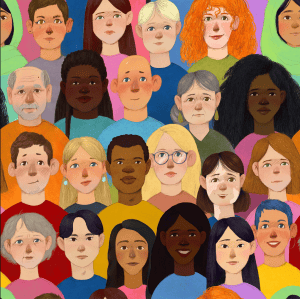
STOCK ILLUSTRATION/Adobe Stock
Understanding Generational Feedback Styles
Before we dive in, a quick disclaimer: not every Zoomer is glued to TikTok, and not every Boomer starts sentences with, “Back in my day…” These are general trends, not hard rules. That said, understanding these tendencies can make your feedback land more effectively.
Gen Z (Born 1997–2012)
Feedback Motto: “Keep it real, and keep it frequent.”
Gen Z, or Zoomers, grew up with instant everything—texting, Snapchat, and the omnipresent “like” button. They thrive on regular, bite-sized feedback that feels like a two-way conversation.
Tips for Feedback Success:
- Be direct and transparent. They value honesty over sugarcoating. Instead of saying, “You might want to consider tweaking this,” say, “This needs revision because X.”
- Make it ongoing. Think of feedback like a Snapchat streak—consistent and quick. A brief check-in after a project goes a long way.
- Tie it to growth. Gen Z craves career development and purpose in their work. Frame your feedback as a step toward achieving their personal or professional goals:
“Hey, I noticed you struggled to manage time effectively during our last client pitch meeting. Let’s work on streamlining your preparation process. By mastering this skill, you’ll build stronger client relationships and position yourself as a go-to team member for high-stakes presentations—something that aligns with your goal of leading client projects next quarter.”
Example:
After a team presentation, say, “Great job keeping the audience engaged! Next time, try adding more data visuals to back up your points—it’ll make an even bigger impact.”
Gen Y, a.k.a. Millennials (Born 1981–1996)
Feedback Motto: “Guide me, and make it meaningful.”
Millennials are often labeled as the “feedback generation” because they came of age during the rise of 360-degree reviews and coaching-focused workplaces. They appreciate feedback that’s thoughtful, constructive, and tied to a clear purpose…but don’t be shocked, many still suck at giving it and receiving it! 😆
Tips for Feedback Success:
- Show you care. Start with what they’re doing well before diving into areas for improvement.
- Be specific and actionable. Vague feedback like, “Good job!” doesn’t cut it. They want to know how to do better.
- Link feedback to values. Millennials are mission-driven and thrive when they see how their work connects to a larger purpose. Tie your feedback to the team’s or organisation’s mission:
“Your recent social media campaign was creative, but it missed the mark on audience engagement. Let’s focus on tailoring the content to our core demographic next time. By doing this, you’ll help us better connect with the community and strengthen our brand’s commitment to authentic communication—a value that’s at the heart of what we stand for as a company.”
Example:
During a one-on-one, say, “Your client proposals are always creative. To take it up a notch, try including more cost breakdowns—it’ll help clients see the value clearly.”
Gen X (Born 1965–1980)
Feedback Motto: “Respect my expertise, but keep it concise.”
Gen X tends to be self-reliant and pragmatic. They value feedback but don’t need constant reassurance or hand-holding. They appreciate efficiency and straight talk.
Tips for Feedback Success:
- Skip the fluff. Be direct, but respectful. They’ll respect your honesty.
- Respect their independence. Offer guidance but avoid micromanaging.
- Acknowledge their experience. Frame feedback as a collaboration rather than a directive. Emphasise collaboration and respect their expertise:
“Your insights are always spot on. I wanted to discuss how the client presentation went yesterday. The visuals were clear and well-organised, but I think we could enhance the impact by adding more data-driven examples. What are your thoughts on how we can refine it together for the next round?”
Example:
Say, “Your report was thorough and insightful. Adding a summary section at the beginning would make it easier for senior leadership to digest quickly.”
Boomers (Born 1946–1964)
Feedback Motto: “Recognise my contributions and keep it respectful.”
Boomers often value hierarchy and loyalty. They prefer feedback that acknowledges their experience and contributions while focusing on the bigger picture.
Tips for Feedback Success:
- Be formal and respectful. Avoid overly casual language or slang.
- Highlight their legacy. Recognize how their work contributes to long-term success.
- Focus on solutions. Start by framing feedback as a team effort to overcome challenges. Highlight the partnership and emphasise our shared problem-solving goal:
“The team has been struggling to meet deadlines recently. I’d like us to explore ways to streamline the process together. For example, could we adjust how tasks are assigned or implement a clearer timeline for check-ins? I’d love to hear your ideas so we can tackle this challenge as a team.”
Example:
Say, “Your leadership on this project has been instrumental. To streamline the process further, let’s explore some tools that could reduce the team’s workload.”
Bridging the Feedback Gap
So, how do you give feedback when your team spans four generations? Here are some universal strategies:
- Ask about preferences. Start with a simple question: “How do you like to receive feedback?” Tailor your approach accordingly.
- Use the SBI Framework. Situation, Behavior, Impact—this structure keeps feedback clear and objective. For example, “In yesterday’s meeting (Situation), you interrupted several times (Behavior), which made it hard for others to contribute (Impact).”
- Model feedback openness. Show that feedback is a two-way street. Invite team members to share their thoughts on your leadership style.
- Leverage technology. Tools like Slack, Teams, or feedback platforms can bridge communication gaps, and increase efficiency, especially in remote or hybrid teams.
Final Thoughts: Feedback as a Superpower
Navigating generational differences in feedback isn’t about walking on eggshells—it’s about meeting people where they are. When you tailor your approach to each generation, you build stronger relationships, foster trust, and drive better results.
Remember: Feedback isn’t just a skill; it’s a superpower that can transform teams when used wisely. So whether you’re giving feedback to a Gen Z intern or receiving it from a Boomer manager, lean in with empathy, curiosity, and respect.
You’ve got this—and your multigenerational team will thank you for it.
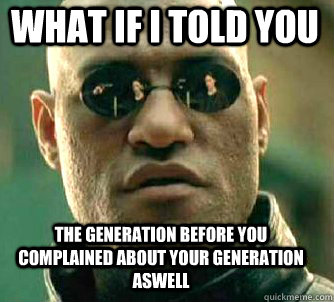
For Sh!ts and Giggles:
The generational traits above are based on widely recognised research and trends about communication and work preferences. These include:
- Gen Z’s preference for frequent, transparent, and developmental feedback due to their upbringing in a digital-first, instant-feedback culture.
- Millennials’ emphasis on meaningful, purpose-driven feedback aligning with their values and coaching-oriented development.
- Gen X’s pragmatic, no-nonsense approach to feedback, reflecting their self-reliant, independent streak.
- Boomers’ respect for hierarchy and legacy, shaped by their experience in traditional workplace structures.
We also have two additional generations that have not yet joined the workforce, but keep an eye out for them.
Gen Alpha (Born 2010–2024)
- They are the largest generation in history with over 2 billion members worldwide.
- Children of Millennials, highly digital, growing up in a tech-driven world.
- Ready or not, Generation Alpha’s oldest members (15) will enter the workforce in 2025. This marks the beginning of their professional journeys!
- By 2029, Generation Alpha’s economic impact will surpass US$5.46 trillion, making it crucial for companies to start shaping their workplace and marketing strategies toward this emerging group.
Gen Beta (Born 2025–2039)
Happy New Year! Happy new generation!
How do you feel about this whole intergenerational thing? How are you going to make your team a more inclusive environment?
Tell us in the comments below! 👇
Discover more from ElevatePx
Subscribe to get the latest posts sent to your email.