

Let’s be real—no one looks forward to tough conversations. Whether it’s addressing a missed deadline at work or talking through a personal misunderstanding, these moments can feel awkward, stressful, or downright intimidating. But here’s the thing: tough conversations are also where the magic happens. They’re opportunities to build trust, clear the air, and make meaningful progress—if you know how to approach them.
Mastering tough conversations isn’t about avoiding discomfort; it’s about leaning into it with curiosity, respect, and a commitment to resolution.
Let’s break down practical techniques for tackling those sweat-inducing conversations. By the end, I hope you’ll feel ready to turn even the spiciest feedback into a productive dialogue.
Start with Curiosity, Not Assumptions
Assumptions can act like blindfolds in tough conversations, obscuring the full picture and triggering defensiveness…and, well, you know the saying 👇

Source: 9Gag.com
The scenario: You’re a manager, and one of your team members, Raj, misses a big deadline. You’re frustrated—it’s not the first time this has happened, and now the whole project timeline is off. Your gut reaction might be to say, “Why didn’t you meet the deadline?”
But stop for a second, take a deep breath…
How do you think Raj will react? Defensive? Embarrassed? That’s not the best way to start or make someone feel.
Instead, try this: “Hey Raj, can you walk me through what happened with the deadline?”
➡ ➡ ️This shifts the tone from blame to understanding.
Turns out, Raj had been struggling with a tricky software issue. He didn’t want to bother anyone about it, but it took longer to work out than expected. As you approached the conversation with curiosity, you uncovered the root cause. You opened the door for actual solutions—like scheduling extra tech training/support, clarifying expectations or pairing him with a mentor.
This approach works in personal situations as well. For the past few weeks, I noticed my friend Maria had been a bit distant. I chose not to assume she was upset with me. Instead, I asked, “Hey Maria, I’ve noticed we haven’t caught up in a while. Is everything okay?” It turns out the holiday season had been particularly hard for her. She had been reflecting on her dad’s passing a few years ago. That small moment of curiosity opened the door for a meaningful conversation and led to deeper bonding between us.
✨ You’d be surprised how much people appreciate being approached with kindness and given the space to share their story. It’s a small shift in approach, but it can make all the difference in strengthening your connection.
Curiosity isn’t just polite—it’s productive. By leading with curiosity, you shift the tone from blame to collaboration, creating space for honest dialogue and deeper understanding.
Pick the Right Time and Place
The timing and setting of a tough conversation can make all the difference. Rushed discussions or public confrontations often escalate tensions, while a thoughtful approach signals respect and care.
Put yourself in their shoes…
I was chatting with Alex, a construction site manager, about a recurring issue with tardiness from one of his team members, Jamie. Instead of calling out Jamie during the team’s toolbox talk, Alex wisely scheduled a private one-on-one in a neutral space. This approach ensured Jamie felt respected and not judged by peers. During the conversation, Alex discovered that Jamie’s late arrivals were due to an unexpected change in caregiving responsibilities—he now had to drop off his kids at school. Together, they found a solution that met both work expectations and Jamie’s personal needs.
Choosing the right time and place demonstrates empathy and sets the stage for meaningful exchanges. It shows that you value the conversation and the person involved.
Acknowledge Your Own Biases
Biases influence how we perceive and approach conversations. Recognising these helps ensure that discussions remain fair and objective.
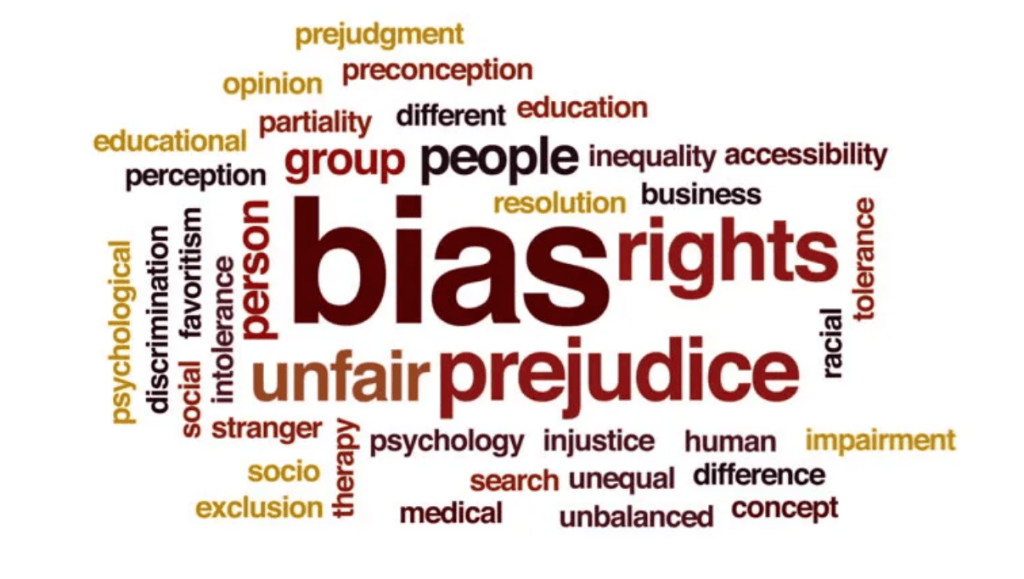
Mia, a team lead, felt frustrated when her colleague Leo frequently critiqued her ideas during meetings. She assumed his comments were dismissive of her expertise, which affected how she interacted with him. Before confronting Leo, Mia took a moment to reflect and realised her frustration stemmed partly from a past experience with a dismissive colleague. When Mia eventually addressed her concerns with Leo, he explained that his critiques were motivated by a shared goal of improving team outcomes, not a lack of respect for her input.
This conversation helped Leo understand how his approach could be perceived and taught him to communicate more thoughtfully. For Mia, it was a reminder to pause and reflect before assuming others’ intentions. The exchange ultimately strengthened their professional relationship and fostered better communication.
Acknowledging biases allows you to approach conversations with humility and openness, setting the tone for productive dialogue rooted in understanding.
Recognise that feedback is shaped by your perspective. Stay open to hearing theirs.
Focus on Behaviours, Not Personalities
When addressing sensitive issues, targeting specific actions rather than intrinsic traits makes feedback constructive rather than personal.
During a performance review, Taylor tells her team member, “You’re always disorganised,” sparking defensiveness and shutting down the conversation. Contrast this with: “I noticed the meeting agenda wasn’t ready on time, which caused delays in the discussion.” By focusing on the behaviour, Taylor highlights a solvable issue without attacking the individual’s character.
Focusing on behaviours rather than personality traits creates a pathway for development and growth.
It’s easier for someone to change an action than to feel judged for a perceived flaw, making feedback more likely to inspire positive change.
Additional Strategies for Tough Conversations
- Use “I” Statements: Framing feedback with ownership of your feelings reduces defensiveness. For instance, “I felt concerned when the deadline was missed,” is more effective than “You messed up.”
- Practice Active Listening: Paraphrase the other person’s words to confirm understanding and demonstrate genuine attention.
- End with a Plan: Conclude with actionable next steps, ensuring both parties feel invested in the resolution.
The Emotional Impact of Tough Conversations
Tough conversations often come with butterflies in the stomach and the fear of confrontation. But they also hold the potential for courage, growth, and stronger connections. By leaning into these moments with curiosity, thoughtfulness, and a focus on solutions, you can transform them into opportunities for trust and understanding.
Whether you’re a manager addressing a team issue or a friend resolving a misunderstanding, mastering tough conversations is a skill that benefits every area of life. The next time you face a challenging discussion, take a deep breath and lean in. You’ve got the tools to make it count!
Discover more from ElevatePx
Subscribe to get the latest posts sent to your email.